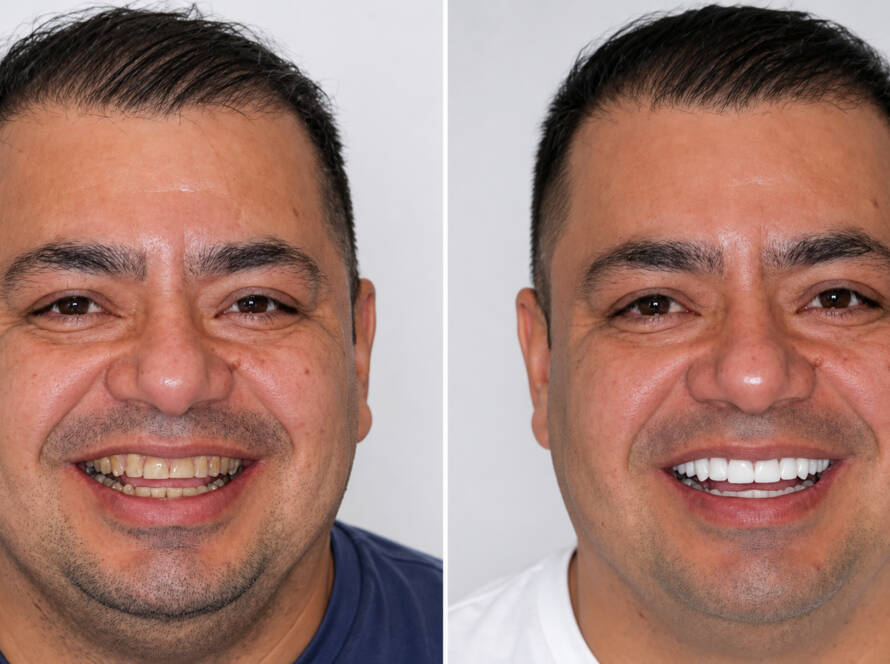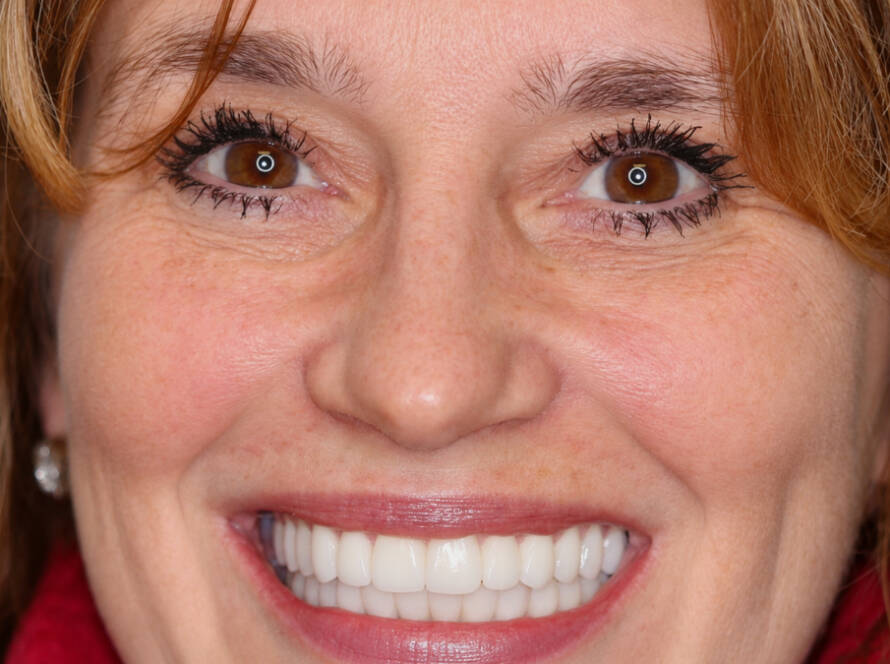

Losing a tooth can change the way you chew. Losing several teeth, or living with teeth that are severely worn, broken, or damaged, can affect much more. Everyday activities such as eating comfortably, speaking clearly, and maintaining good oral hygiene may become increasingly difficult.
For some patients, treating one tooth at a time is no longer enough. The problems are interconnected, and restoring one area without considering the others may not produce a stable, functional result.
This is where full mouth reconstruction comes into consideration. Rather than focusing on a single dental problem, it involves evaluating the entire mouth and developing a coordinated plan to restore oral health, function, comfort, and appearance.
What Exactly Is Full Mouth Reconstruction?
Full mouth reconstruction, also called full mouth rehabilitation, refers to a comprehensive approach to rebuilding or replacing teeth when dental problems affect multiple areas of the mouth.
It is not one specific procedure. Depending on the patient’s needs, treatment may involve crowns, bridges, dental implants, dentures, periodontal treatment, or a combination of restorative procedures.
The American College of Prosthodontists describes full mouth reconstruction as an approach that combines restorative dentistry with esthetic considerations to improve oral health, function, and appearance.
One important distinction is that full mouth reconstruction does not necessarily mean removing every tooth and replacing it with implants.
Some patients can retain most of their natural teeth. Others may need extensive tooth replacement. The appropriate approach depends on the condition of the existing teeth, gums, bone, bite, and overall health.
Who Might Need Full Mouth Reconstruction?
Patients who benefit from comprehensive rehabilitation often have more than one significant dental problem. Several conditions may indicate the need for a full evaluation.
Multiple Missing or Severely Damaged Teeth
Missing teeth can affect chewing efficiency and the stability of the remaining teeth. Over time, neighboring teeth may shift into the empty spaces, making future treatment more complicated.
Patients with multiple broken teeth, extensive decay, or failing restorations may also need a coordinated treatment plan rather than several unrelated procedures.
Advanced Tooth Wear
Years of tooth grinding, acid erosion, or other mechanical and chemical factors can gradually wear down the teeth.
In more advanced cases, tooth wear may change the shape of the teeth, affect chewing surfaces, create sensitivity, or complicate the way the upper and lower teeth come together.
Correcting severe wear requires more than simply replacing missing tooth structure. The dentist must also investigate the causes and plan restorations that can function within the patient’s bite.
Extensive Existing Dental Work
Some patients have undergone numerous dental treatments throughout their lives. Individual crowns, bridges, fillings, and other restorations may begin to fail at different times.
When problems affect several areas, a comprehensive evaluation can help determine which restorations remain serviceable, which need replacement, and how future treatment should be coordinated.
Complex Developmental or Structural Conditions
Certain inherited conditions, developmental abnormalities, or injuries can affect tooth formation and oral structures.
These situations may require specialized restorative planning and collaboration between dental professionals.
What Treatments Can Be Involved?
There is no universal treatment package for full mouth reconstruction. A plan may include several procedures, each addressing a different problem.
- Dental crowns can restore teeth that have lost significant structure but remain suitable for preservation.
- Dental bridges can replace one or more missing teeth when appropriate support is available.
- Dental implants can support replacement teeth in selected patients. Implant treatment requires careful assessment of the bone, surrounding tissues, medical history, and long-term maintenance needs.
- Removable dentures may be appropriate for patients who need to replace multiple teeth and prefer, or are better suited to, a removable solution.
- Periodontal and other preparatory treatments may be necessary before definitive restorations can begin. Addressing active disease is essential to creating a healthier foundation for rehabilitation.
- Some patients also benefit from orthodontic treatment or collaboration with other dental specialists.
The important question is not how many procedures are performed, but whether they work together toward a stable and maintainable result.
Why Treatment Planning Matters More Than the Number of Restorations
Imagine a patient with several missing back teeth, worn front teeth, and an uneven bite.
Restoring only the front teeth might improve their appearance, but it would not necessarily address the missing posterior support or the factors contributing to the wear.
A comprehensive plan evaluates how the different parts of the mouth function together.
The examination may include clinical photographs, digital scans or impressions, dental radiographs, an assessment of the bite, and an evaluation of gum and bone health. Additional imaging or diagnostic procedures may be recommended depending on the proposed treatment.
From there, the dentist can evaluate alternatives, determine the appropriate sequence of care, and explain which natural teeth can reasonably be preserved.
This last point is especially important. Removing teeth should never be treated as an automatic requirement for full mouth reconstruction. The American College of Prosthodontists’ position on tooth extractions emphasizes careful risk assessment, treatment alternatives, and informed patient consent.
Why See a Prosthodontist?
A prosthodontist is a dental specialist with advanced training in restoring and replacing teeth.
Beyond dental school, prosthodontists complete additional specialty training that emphasizes complex restorative treatment, implant-supported prostheses, dental materials, esthetics, and the relationship between restorations and oral function.
For patients with extensive dental damage or complex rehabilitation needs, this training is particularly relevant.
A prosthodontist can evaluate the mouth as a complete system, coordinate different treatment options, and work with other specialists when necessary.
Is Full Mouth Reconstruction Right for You?
Not everyone with missing teeth, worn teeth, or cosmetic concerns needs comprehensive rehabilitation.
Some problems can be addressed with relatively limited treatment. Others require more extensive planning, especially when multiple teeth, the gums, supporting bone, or the bite are affected.
A proper evaluation should help answer several practical questions:
- Which teeth can be preserved?
- What problems should be treated first?
- Are dental implants necessary, or are other solutions appropriate?
- How many stages might treatment require?
- What maintenance will be needed afterward?
The goal is to select an appropriate treatment based on clinical findings, rather than choosing a procedure simply because it is popular or widely advertised.
A Comprehensive Approach to Restoring Oral Health
Full mouth reconstruction is about more than changing the appearance of a smile. It is an individualized process intended to restore damaged or missing teeth while considering the health and function of the entire mouth.
For patients facing multiple dental problems, understanding the available options is the first step toward making an informed decision.
Considering Full Mouth Reconstruction?
Dr. Gabriel Sader, DDS, is a prosthodontist and the founder of The Dental Studio in Spring, Texas. Patients interested in exploring their restorative treatment options can request a consultation through The Dental Studio or call (713) 598-0727.
This article is intended for general patient education and does not replace an individualized dental examination or professional diagnosis.